It’s been a full grown two months since I last published anything. Man, am I so ashamed of myself when I say I was awfully busy, when everybody around the world, not to mention all the praiseworthy bloggers out there are always busy too, but manages to publish something. Well, the ever-so ashamed me is in one place now.
I got the opportunity to travel and travel till I felt like I’m drop dead and wacked to travel anymore for a while. So, I’m sharing bit by bit on my much-loved blog.
I will start by the wild life safari we went on. My first actually. (blush blush) Now, I’m married and my husband tends to show me the world. What’s really out there. J
We were in Polonnaruwa for a few days. And we had not planned to go on a wild life cruise other than check the archaeological ruins of Polonnaruwa until we actually bumped into a jeep guy and we thought we should go.
I was fascinated by the name imprinted on his jeep. “Butlee Safari”. We booked the jeep for the following day.
So, the next day we set out in the afternoon. We would have been better of going early morning at around 4am. But I couldn’t possibly even think of dragging myself out of bed at that hour, so a group of foreigners had booked the jeep for the morning.
We left at around 1pm. I somehow loved the bumpy ride from Polonnaruwa to Kaudulla National Park. We went through Minneriya. When we there, a guide joined us, who knew names of all the birds and animals and about them.
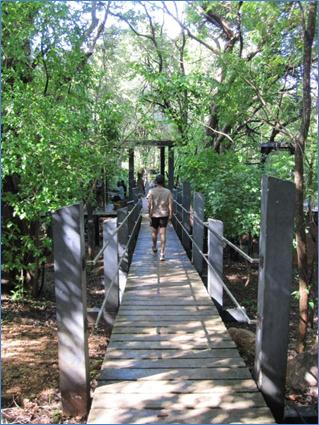
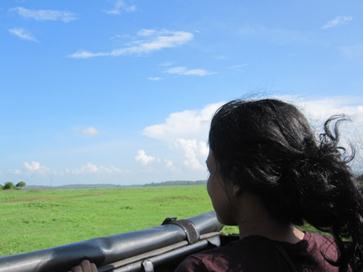
The jungle area linking Kaudulla to Minneriya National Park was declared a Wildlife Sanctuary in 2004.
Kaudulla was one of the 16 irrigation tanks built by King Mahasena. Following a period of abandonment it was reconstructed in 1959. It now attracts and supports a variety of plant and animal life, including large mammals, fish and reptiles
The region receives an annual rainfall of 1,500–2,000 millimetres (59–79 in) including rain from the north-east monsoon. A dry period persists from April to October. Temperature ranges from 20.6 °C (69.1 °F) to 34.5 °C (94.1 °F). Many plant and grass species grow well during the rainy season whilst an abundance of food and water, even in the dry period, attracts a large number of herbivorous mammals to the park.
The faunal species recorded in the park include 24 species of mammals, 25 species of reptiles, 26 species of fish, and 160 species of bird.
In the drought period Sri Lankan Elephants move to the Minneriya tank to drink and feed. Around the month of September the elephants move to the Kaudulla tank in search of more water and food.
Sri Lankan Sambar Deer, Sri Lankan Axis Deer, Chevrotain, Wild boar, Sri Lankan Leopard and Sloth Bear are other mammals found in the park. Kaudulla National Park is also one of the sites in which the Gray Slender Loris is reportedly found in Sri Lanka. Kaudulla is probably the only national park in Sri Lanka to have albino Axis Deer.
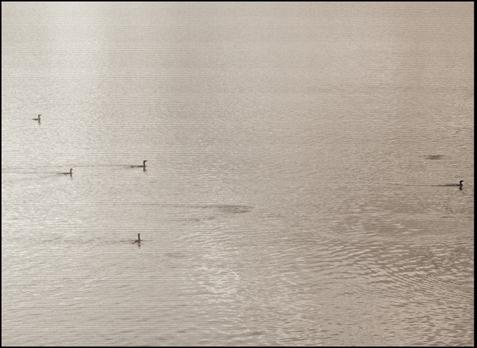
Large water birds such as Spot-billed Pelican and Lesser Adjutant visit the Kaudulla tank. Fish species in the tank include the freshwater Oreochromis mossambicus. Fejervarya pulla is an endemic amphibian to Sri Lanka that inhabits the National Park. Freshwater turtles, Indian Flap-shelled Turtle and Indian Black Turtle are the noteworthy reptiles.
The Sri Lankan elephant (Elephas maximus maximus):
Many groups of elephants slowly moved out of the forest in many directions and made their way towards water.

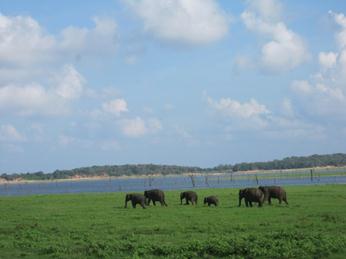
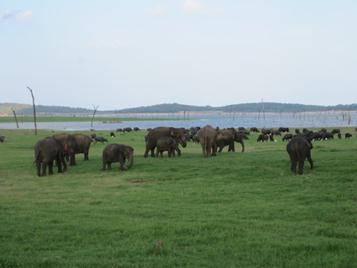
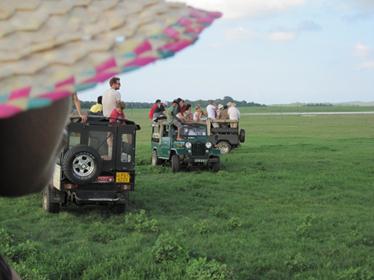

These large beauties fascinated us. They are classified as mega herbivores and consume up to 150 kg (330 lb) of plant matter per day. We watched the elephants feed predominantly on grass . It was fascinating to watch them constantly pluck weed, shake of soil and dirt from their trunks and gracefully put the mound in their large mouths. Sri Lankan elephants are the largest subspecies reaching a shoulder height of between 2 and 3.5 m (6.6 and 11.5 ft), weigh between 2,000 and 5,500 kg (4,400 and 12,000 lb), and have 19 pairs of ribs. Their skin color is darker than of indicus and of sumatranus Only 7% of males bear tusks
Birds:
BirdLife International have identified Kaudulla as an Important Bird Area along with Minneriya and Girithale.
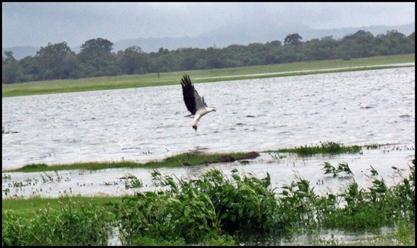
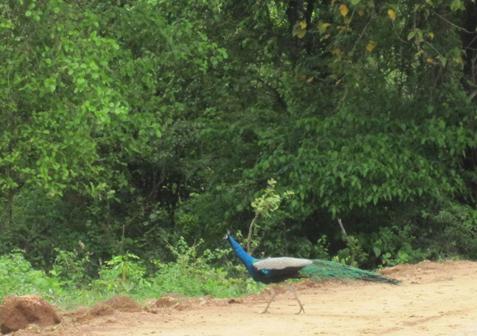
We came across many bird species too. One such bird that fascinated us swooped down to the water and snatched a big fish in its claws and flew away. I think it was a White Bellied Sea-Eagle.

 Gayani Jayathilake
Leave a reply to Nadee Gunawardana Cancel reply